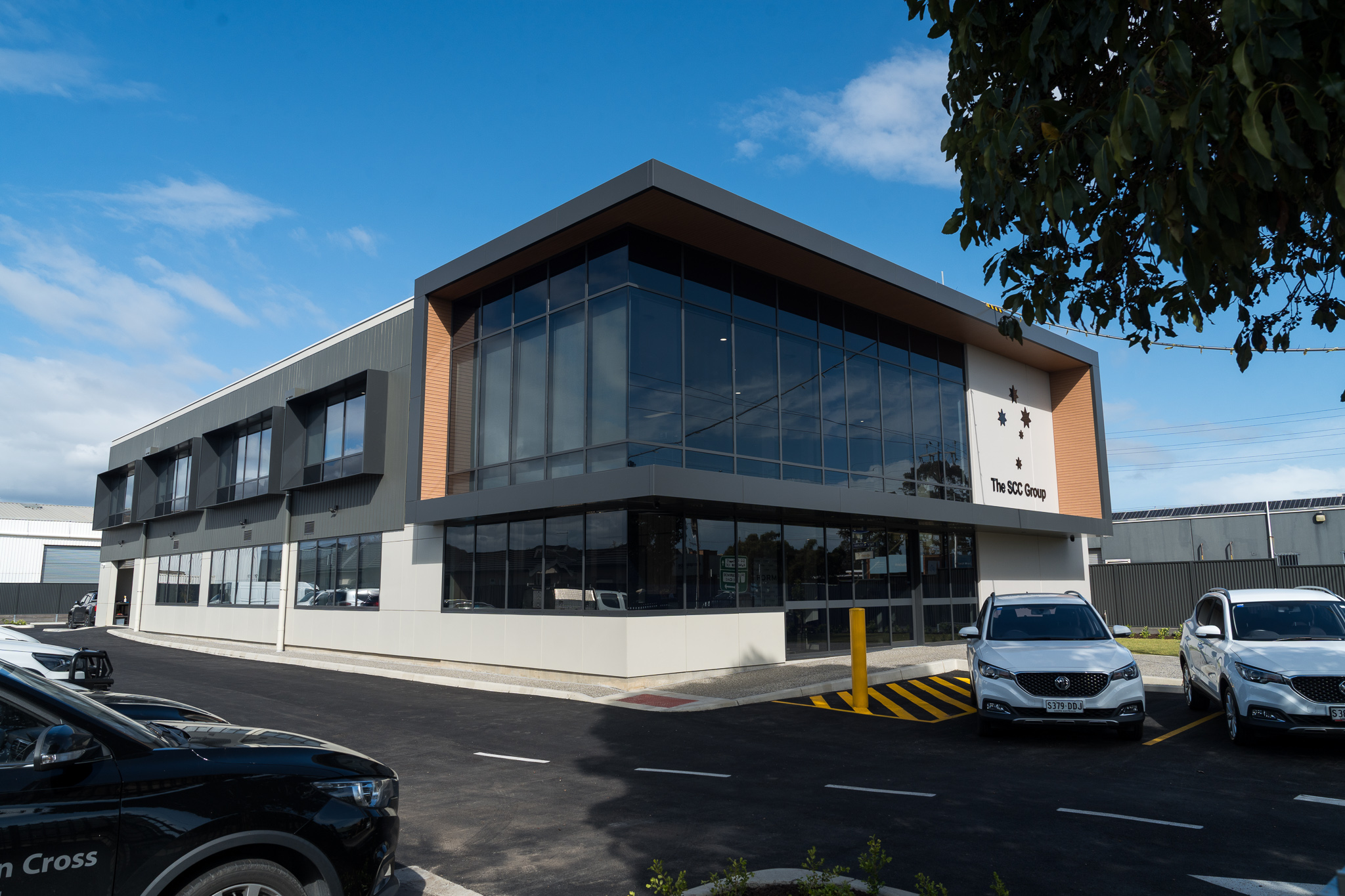
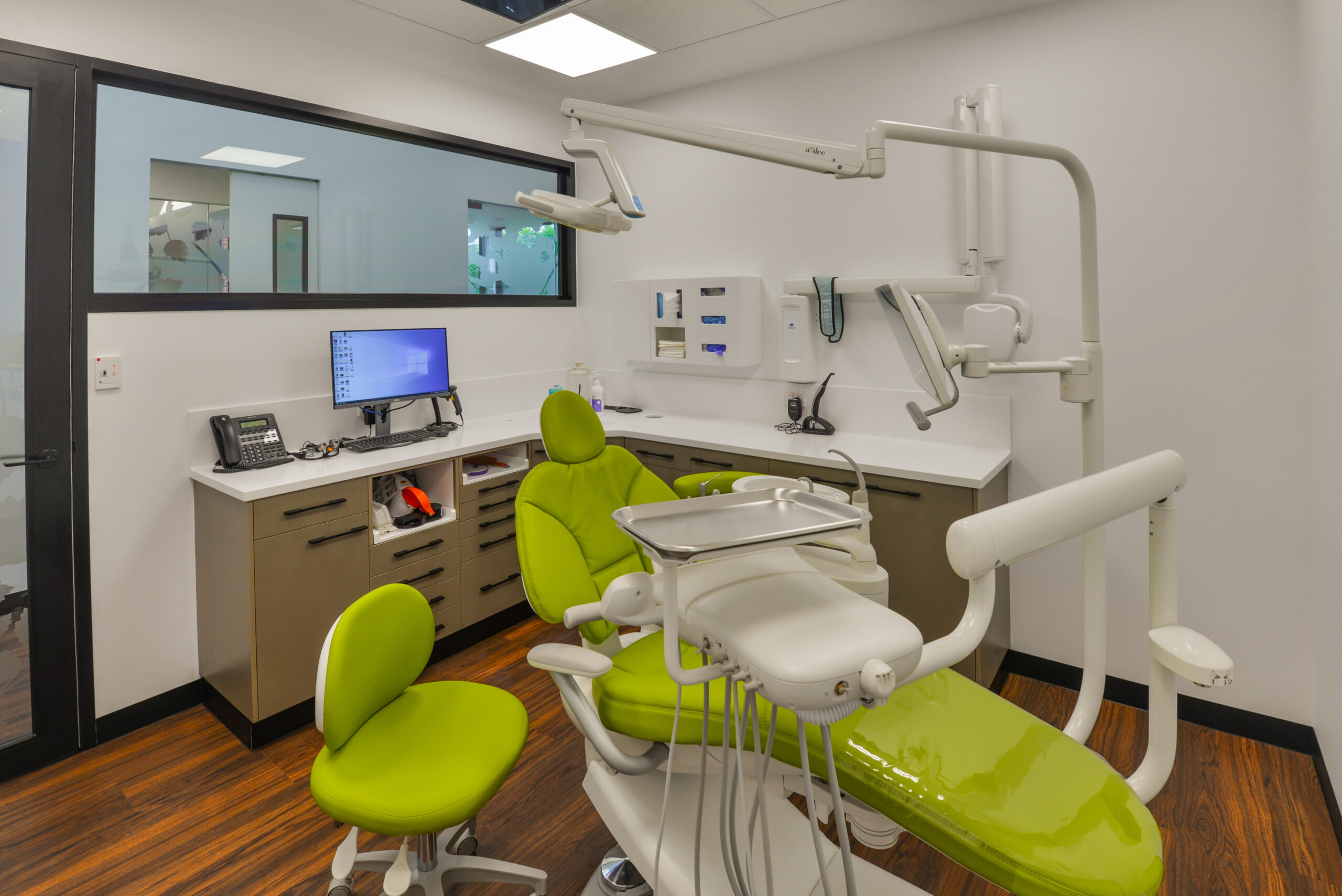
When planning an office fitout in the Adelaide CBD, the design and desk layout are usually the easy bits. What trips projects up is everything below: council sign-off, heritage rules and getting trades and materials into a building on a street never built for modern construction traffic.
This checklist walks through the process as it actually unfolds — from early design through to trades on site — so you know what to ask your fitout partner before work begins.
Quick answer: Not every internal fitout needs a development application, but plenty do — particularly if the building is heritage-listed, the works affect the building's structure, or you're changing how the space is used. Always check before you assume you're exempt.
Under South Australia's Planning and Design Code, some internal works fall outside the legal definition of "development" and don't need approval. Others — internal alterations touching a heritage place, or fitouts that change a tenancy's classification or use — do.
The practical first step is to have a pre-lodgement discussion with the City of Adelaide’s development assessment team. Doing this early informs design decisions instead of chasing them, and it’s one of the cheapest risk-reduction moves on a commercial fitout.
If your project requires a development application, the general outline of the process is:
Once granted, works usually have to begin within two years and be completed within three. Very occasionally the restriction on a CBD tenancy fitout, but worth treating it as a formal checkpoint rather than an assumption.
Quick answer: If your building has a heritage overlay or is listed as a State or Local Heritage Place, your fitout is assessed differently, even if it’s internal work. More documentation will be required, and there may be a referral to state heritage authorities and design limitations on anything visible to the street or that impacts the original fabric.
Adelaide's CBD has a genuinely high concentration of heritage-listed stock, and a lot of it has been adapted into commercial office space over the decades. That's part of the city's appeal — but it changes what a fitout designer can and can't touch.
A few things tend to catch businesses off guard:
Internal works aren't automatically exempt. Even fitouts that never touch the façade can require heritage assessment if they affect the building's significance — original stairwells, ceiling heights, cornicing, or structural elements can all count.
State Heritage Places can trigger a formal referral. Where a building is adjacent to or classified as a State Heritage Place, Council refers the application to the Minister for Heritage via the Department for Environment and Water—an extra step worth factoring into scheduling from day one.
Documentation expectations are higher. Heritage assessments often want more than a standard tenancy fitout — photographic records of existing conditions, material specifications, and sometimes a heritage impact statement.
Design still has room to move. None of this puts heritage buildings off-limits for a modern, functional office. It means designing with the building's character rather than against it — usually where the best-looking Adelaide fitouts come from anyway.
The practical takeaway: if your building is heritage-listed or sits in a heritage overlay, loop your fitout partner and Council in during concept design — not after you've settled on a layout that assumes a blank canvas.
This is the piece that rarely makes it into a fitout brief but has a real impact on how smoothly a project runs. Adelaide's CBD grid is compact, well used, and tightly regulated — construction access has to be actively planned, not assumed.
A City Works Permit is required for commercial maintenance or construction work touching Council-controlled roads, footpaths or Park Lands. One permit typically covers several needs at once:
Most applications will need current public liability insurance (the Council generally requires a minimum of $20 million cover with the City of Adelaide named as an interested party), a traffic management or site plan showing exactly where works and hoarding will take place and evidence of consultation with neighbours who will be affected.
For a standard office fitout, this means a series of short permit windows – a morning for bulk furniture delivery, a day for a skip bin during demolition, and intermittent windows for trade loading. None of it is complicated by itself, but CBD kerb space is limited and shared, so it needs scheduling. Businesses need to build permit lead times into the programme from the start, rather than assuming trades will sort out parking on the day and cause delays.
For most CBD office fitouts, the logical sequence looks like this:
None of these steps is unusual for a commercial fitout — they're just easy to underestimate if you haven't run one in the Adelaide CBD before. A fitout partner who works across the city regularly will already know which buildings carry heritage overlays, which blocks have tight loading windows, and how long Council typically takes to respond to an RFI. That familiarity is what turns a checklist into an actual working timeline.
Does every office fitout in Adelaide need council approval?
No. Some internal works are exempt under the Planning and Design Code, but heritage buildings, structural changes, and use changes generally do require approval. Confirm your specific case with Council before finalising a design.
How long does development approval take?
Timeframes vary with complexity, but processing for a standard fitout-related application is commonly quoted around 20 working days — longer where referrals or RFIs are involved.
Can you fit out a heritage-listed office in Adelaide?
Yes. Heritage status affects process and documentation, not the ability to create a modern, functional workspace.
Do trades need a permit just to park during a fitout?
If the parking change involves Council-controlled roads or footpaths — including reserving a loading zone — yes, under the City Works Permit process.